
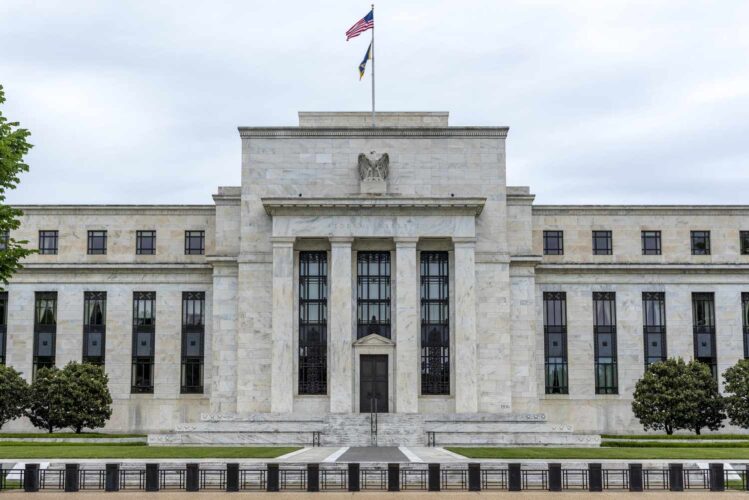
Investors will get one of the most important economic reports of the month Wednesday morning when the government releases its July Consumer Price Index, providing the latest look at inflation and potentially reshaping expectations for the Federal Reserve.
The Bureau of Labor Statistics will release July CPI at 8:30 a.m. Eastern time Wednesday, Aug. 12.
Wall Street economists expect headline CPI to show inflation running at approximately 3.4% from a year earlier, down slightly from June, while core CPI — which excludes volatile food and energy prices — is expected around 2.5%, according to Reuters.
Those forecasts follow an unusual June report. Headline consumer prices fell 0.4% for the month, largely reflecting lower gasoline prices, but remained 3.5% higher than a year earlier. Core CPI was unchanged for the month and rose 2.6% year over year, according to the Bureau of Labor Statistics. Wednesday’s report will help determine whether that improvement marked the start of a renewed decline in inflation or simply a temporary reprieve.
The setup makes even a small surprise potentially significant: headline inflation is expected to ease just one-tenth of a percentage point, from 3.5% to 3.4%, and core inflation by a similar margin, from 2.6% to 2.5%.
The answer could carry real implications for interest rates. The Federal Reserve has been reluctant to declare victory over inflation, particularly as policymakers weigh the effects of tariffs, energy prices and continued strength in parts of the economy. New York Fed President John Williams recently said he still expects inflation to gradually return toward the central bank’s 2% target but acknowledged that price pressures remain persistent, according to Reuters.
Markets will be especially sensitive to any surprise in core inflation. A softer-than-expected reading would support the case that inflation is moving back toward the Fed’s target and could ease pressure on policymakers. A hotter reading could have the opposite effect: if prices come in above expectations, particularly on the core measure, investors could quickly reassess the outlook for monetary policy, pushing Treasury yields higher and pressuring stocks — especially technology and other growth companies that have benefited from expectations of eventually lower rates.
The stakes are heightened because stocks enter the report near record levels following a technology-led rally; the S&P 500 gained nearly 6% over four recent trading sessions, leaving valuations elevated and potentially making the market more vulnerable to an inflation surprise, according to Reuters.
Wednesday’s report also won’t be the week’s last word on inflation. The July Producer Price Index is scheduled for release Thursday morning, offering another look at price pressures further up the supply chain. Together, the two reports could meaningfully influence expectations for the Fed’s next move.
For markets, Wednesday could come down to a simple question: whether inflation is continuing to cool, or whether the recent improvement is beginning to stall. The answer may help determine whether the stock market’s recent rally has room to continue, or whether interest rates once again become the primary obstacle facing investors.