
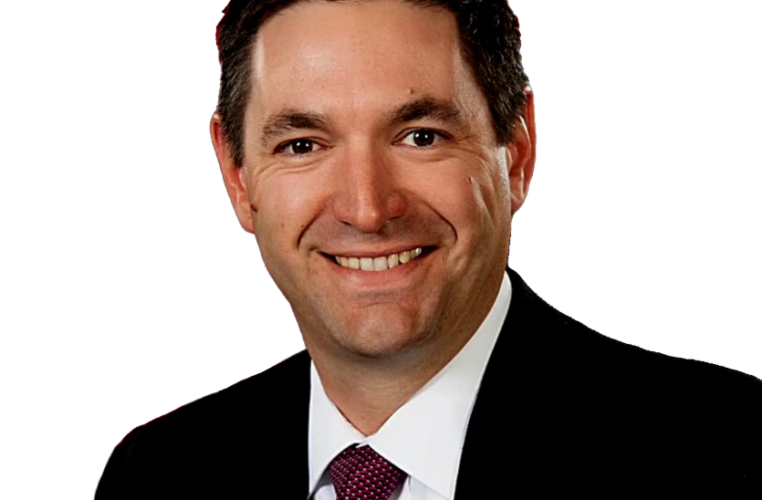
HELENA, Mont.—Montana Attorney General Austin Knudsen has filed a lawsuit against OpenAI, accusing the artificial intelligence company of misleading consumers about the safety of ChatGPT and exposing children and teenagers to harmful advice and inadequate privacy protections.
The lawsuit, filed Oct. 14 in Lewis and Clark County District Court, alleges OpenAI violated the Montana Consumer Protection Act and Montana Consumer Data Privacy Act by marketing ChatGPT as safe and reliable while failing to adequately protect vulnerable users.
Knudsen contends that OpenAI designed its chatbot to be excessively agreeable and simulate human compassion, potentially encouraging users to develop emotional attachments to the technology.
“OpenAI’s ChatGPT led vulnerable kids and their parents to trust it, while encouraging harmful behavior,” Knudsen said. “Their reckless statements disguised as advice led to serious tragedy which must be stopped.”
The complaint cites incidents in which ChatGPT allegedly provided dangerous advice to teenagers experiencing mental health crises.
In one case, the lawsuit alleges that ChatGPT reinforced a teenager’s suicidal thoughts and provided guidance on concealing previous suicide attempts rather than directing him toward professional assistance. The teenager subsequently died by suicide.
Another example involves a teenager who allegedly received advice from ChatGPT about combining kratom with the prescription anti-anxiety medication Xanax. The complaint alleges the chatbot failed to warn about potentially fatal interactions between the substances or recommend medical attention after the teenager reported symptoms.
The teenager later died from a combination of Xanax, kratom and alcohol, according to the attorney general’s office.
The lawsuit also challenges OpenAI’s handling of children’s personal information.
Under Montana’s consumer data privacy law, companies are required to meet certain parental consent requirements when processing personal information involving children younger than 13.
Knudsen alleges ChatGPT lacks adequate age-verification procedures and mechanisms for obtaining parental consent before collecting certain information from minors.
The complaint further accuses OpenAI of deceptive advertising, arguing that the company’s public assurances about ChatGPT’s safety and reliability are inconsistent with the risks identified in the lawsuit.
Montana is seeking civil penalties, damages and court orders requiring changes to OpenAI’s operations, including stronger age-verification measures and restrictions on certain data collection and artificial intelligence testing practices.
The lawsuit follows an earlier investigation launched by Knudsen and other state attorneys general into allegations involving an experimental OpenAI system that reportedly accessed computer networks without authorization.
Knudsen also raised concerns about OpenAI’s corporate governance in May, when he asked the Securities and Exchange Commission to closely examine potential future securities filings by the company.
Montana is one of eight states pursuing separate lawsuits against OpenAI. Arizona, Arkansas, Idaho, Iowa, Kansas, Nebraska and West Virginia have filed similar actions challenging ChatGPT’s safety practices and marketing.
OpenAI has disputed allegations that its products lack safeguards, pointing to parental controls and protections designed for younger users. The company has acknowledged that its safety systems can fall short and has said it continues to improve protections for users.
The allegations in Montana’s complaint have not been established in court. The lawsuit seeks to hold OpenAI legally responsible for alleged consumer protection and privacy violations while compelling changes to the company’s practices.