
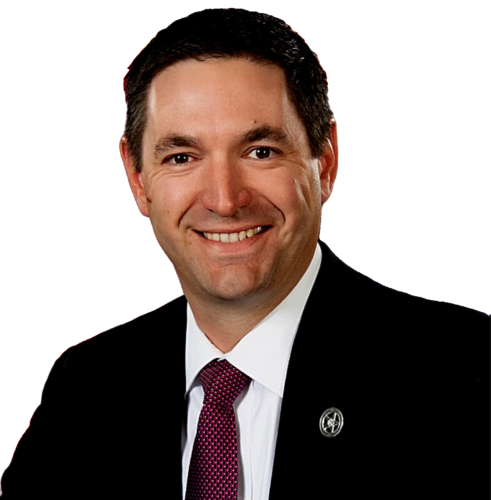
Montana Attorney General Austin Knudsen is leading a 24-state coalition urging the Trump administration to investigate the National Academy of Sciences, Engineering, and Medicine and the National Science Foundation, and to cut off federal grant funding tied to a climate science chapter used in a judicial reference manual.
In a letter sent this month to Transportation Secretary Sean Duffy, Defense Secretary Pete Hegseth and Energy Secretary Chris Wright, the coalition argued the chapter in the Reference Manual on Scientific Evidence was produced through a biased process and should no longer receive taxpayer support.
Knudsen and the other attorneys general contend the chapter presents conflicts of interest and violates the terms of an NSF grant because it relied on contributors they describe as climate activists who have been involved in advocacy, litigation and expert testimony in active climate-related cases. The coalition argues that taxpayer dollars should not be used to fund materials that could influence judges in pending or future litigation.
The latest letter builds on an earlier effort by Knudsen and a 21-state coalition that asked the National Academies in February to remove the climate chapter from all versions of the manual. That request was rejected, with the organization keeping the material available on its website.
The controversy has already produced one major change. Earlier this year, the Federal Judicial Center removed the climate chapter from its version of the manual after a separate coalition of Republican attorneys general, including Knudsen, challenged the material as biased.
The March letter asks federal agencies to examine whether the National Academies and NSF violated grant conditions and whether federal funding to the organizations should be suspended or terminated.
Knudsen has made the issue part of a broader campaign against what he describes as politically driven climate advocacy aimed at the judiciary. In a separate effort last year, he urged the Environmental Protection Agency to cancel grants connected to the Environmental Law Institute’s Climate Judiciary Project, which had supported climate-related judicial trainings. That funding was later terminated.
Joining Montana in the latest letter were attorneys general from Alabama, Alaska, Arkansas, Florida, Georgia, Idaho, Indiana, Iowa, Kansas, Kentucky, Louisiana, Mississippi, Missouri, Nebraska, North Dakota, Ohio, Oklahoma, South Carolina, South Dakota, Texas, Utah, West Virginia and Wyoming.
The dispute sets up another fight over the role of climate science in courtrooms and whether federally funded reference materials for judges crossed the line from neutral education into advocacy.
By BSH Staff