
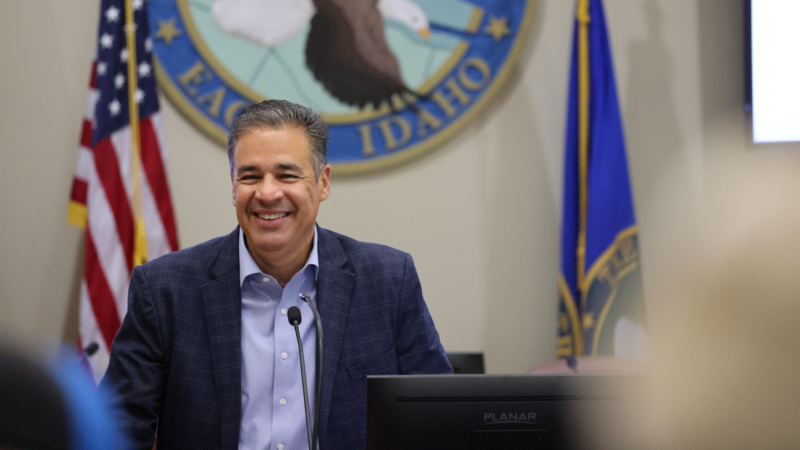
Idaho Attorney General Raúl Labrador joined a bipartisan coalition of 49 attorneys general in calling on the Federal Communications Commission to strengthen rules that would cut off scammers’ access to legitimate telephone numbers, the latest step in a years-long multistate effort to combat illegal robocalls.
“Idahoans are tired of scammers swindling their families and flooding their phones with non-stop robocalls,” Labrador said. “My Consumer Protection Division works daily to educate people on how to avoid scams, but we need to hold telecom providers accountable at the source for allowing that illegal traffic in the first place. I am urging the FCC to strengthen its rules to cut off scammers before they can target Idaho families.”
Americans received approximately 29.6 billion scam robocalls and texts last year and lost nearly $2 billion to those scams. After prior crackdowns by federal and state authorities largely curtailed illegal “spoofing” — the practice of faking a caller ID to impersonate a legitimate company or government agency — scammers have adapted by purchasing real phone numbers and cycling through millions of them to evade spam filters. In one North Carolina case, scammers made more than 17.3 million calls in a single day through one phone company, rarely using the same number twice.
The letter, filed with the FCC as comments on proposed new rules, was co-led by the attorneys general of Colorado, New Jersey, North Carolina, Ohio and Pennsylvania, and builds on a 2021 request from the Anti-Robocall Multistate Litigation Task Force.
Among the coalition’s requests, the attorneys general are asking the FCC to require companies authorized to buy and resell phone numbers in North America to meet stronger certification requirements and disclose how and to whom they assign numbers; require regular reports on number sales and use so law enforcement can trace illegal calls back to their source; require applicants for phone numbers to certify they won’t use them for illegal robocalls; block the sale of numbers to entities not tied to a legitimate calling or texting service; prohibit number cycling, in which scammers buy large volumes of numbers and rotate through them to avoid detection; and restrict the offering of trial numbers that scammers frequently exploit.
By: DNU News wire