
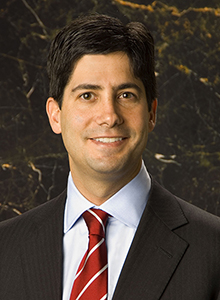
WASHINGTON — Kevin Warsh begins his first full week as chairman of the Federal Reserve today with markets watching closely for early signals on monetary policy direction as stubbornly high inflation complicates the new chair’s opening days in office.
Warsh was sworn in May 22 in a White House ceremony — the first time a Fed chair has been sworn in at the White House since Alan Greenspan in 1987. He inherited a central bank holding its benchmark federal funds rate steady at 3.50 to 3.75 percent, an unusually divided Federal Open Market Committee, and an inflation environment that has grown more challenging since his confirmation.
April consumer prices rose 3.8 percent year over year, a three-year high, and the personal consumption expenditures index is expected to show inflation running near 3.9 percent annually when the latest data is released this week. The numbers have narrowed the already slim prospects for near-term rate cuts. Market pricing through CME FedWatch currently assigns a greater than 80 percent probability that the FOMC will leave rates unchanged at both its June and July meetings, while the odds of a rate hike by December have climbed to roughly 57 percent.
Warsh’s first FOMC meeting as chair is scheduled for June 16-17 and will include a Summary of Economic Projections — the Fed’s so-called dot plot — giving him an early and highly visible platform to define the tone of his chairmanship. The language he uses and whether committee dissents rise or fall will be closely parsed by investors and borrowers alike. At the Fed’s most recent April meeting, four of the 12 FOMC voting members dissented — the most divided the committee had been since 1992.
Adding an unusual dynamic to Warsh’s tenure, his predecessor Jerome Powell remains at the central bank as a rank-and-file governor, with his board term running through January 2028. Powell’s continued presence means Warsh will begin his chairmanship sharing the committee table with the man he replaced.
Warsh told senators during his confirmation hearing that Trump never asked him to predetermine any interest rate decision and that he would never agree to do so. He was confirmed May 13 in a 54-45 vote — the closest in the modern era — with only Pennsylvania Democrat Sen. John Fetterman crossing party lines to support him.