
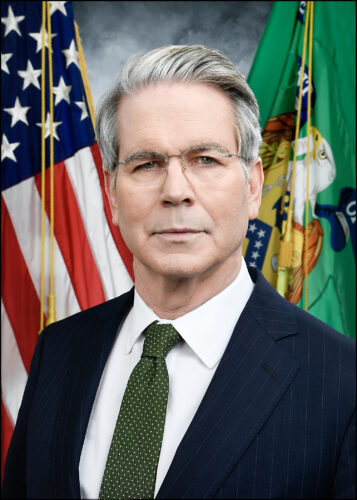
U.S. Treasury Secretary Scott Bessent announced that the department has canceled all existing contracts with consulting firm Booz Allen Hamilton, citing concerns over wasteful spending and failures to protect sensitive taxpayer information.
According to the Treasury Department, the agency currently held 31 separate contracts with Booz Allen Hamilton totaling approximately $4.8 million in annual spending and about $21 million in total contractual obligations.
“President Trump has entrusted his cabinet to root out waste, fraud, and abuse, and canceling these contracts is an essential step to increasing Americans’ trust in government,” Bessent said in a statement. “Booz Allen failed to implement adequate safeguards to protect sensitive data, including the confidential taxpayer information it had access to through its contracts with the Internal Revenue Service.”
Treasury officials pointed in particular to a major data breach that occurred between 2018 and 2020 involving a Booz Allen employee, Charles Edward Littlejohn. Prosecutors said Littlejohn stole and unlawfully disclosed confidential tax return information belonging to hundreds of thousands of Americans.
The Internal Revenue Service has determined that approximately 406,000 taxpayers were affected by the breach. Littlejohn has since pleaded guilty to felony charges related to the unauthorized disclosure of confidential tax information.
The cancellation of the contracts comes as part of a broader effort by the Trump administration to tighten oversight of federal spending and strengthen data security across government agencies.
Treasury officials did not immediately say whether the canceled contracts would be replaced with new vendors or if the affected work would be shifted in-house.
Booz Allen Hamilton has not publicly responded to the Treasury Department’s decision as of publication time.
The move marks one of the most significant contract terminations announced by the department in recent years and underscores growing scrutiny of private contractors handling sensitive federal data.
By BSB Staff